
Waiting by the Tape
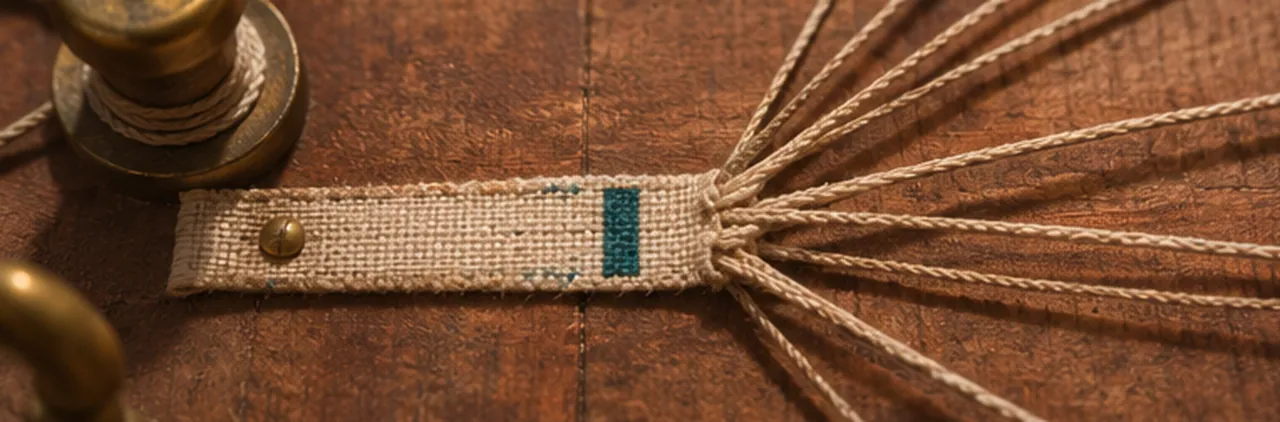
From the point where the strings are held, the wrist of the wooden actor is almost hidden by its shoulder. From the stage wing the same wrist catches a short clear line of light. We wanted a waiting point that the player could find from either position before turning the hand behind gauze. A piece of tape on the control bar is an obvious place to start. One part of the tape sits near a small mount. We used this test to determine whether the mark should be placed where a command begins or where the wrist starts to answer.
Make the first hold repeatable
The wrist begins in a small resting turn. There is slack in one line and a faint bend in the other. A long tape mark identifies the position of the first line while the arm is quiet. Drawing it past the end of the tape slowly takes away that bend. At a later point the hand makes a very small move. The bar is easy to read here because the rest of the actor is motionless. We record three cases with different amounts of slack so we can see which characteristics of the resting pose actually predict the start of a gesture.
The first set of tests measured the movement at the far hand. It was reasonably clear on the repeated short pull, but a different tilt of the arm moved the witness mark a little. We added a narrow stripe to the tape near the point where the wrist could just begin to turn. This stripe is useful even when the first long mark begins in a different place. At earlier positions the bar holds the actor with the hand low. Later it carries a shorter curve of string and the intended wrist movement is already about to happen.
Hold one side while the other moves
Another line can affect the head while the hand waits. The two strings lie close near one end of the control bar. We tried giving them identical bright marks. When the head moved, it seemed that the reference controlling the wrist had also moved. Make the head mark smaller and place it at the other end of its patch. The two can then remain on screen together without looking as if they form a single control. A little travel in the wrist line is still visible in front of the broader tape even when the other side of the actor is in motion.
Behind the gauze we check that the waiting pose keeps the fingers visible from one side. The top of the wrist sometimes disappears into the shadow of the shoulder. A small turn of the elbow saves the line, but it places the hand closer to the second cloth edge. We keep this as a visible planning detail. A player can take up a little extra line under the bar when the shadow approaches and then return to the marked point at which the cue can begin. The state of the head stays available throughout that adjustment.
The point for the next rehearsal
In A Cue Behind Gauze the tape is used just before the hand can lift out of the narrow side shadow. The first version of the scene offered a cue that began while the visible part of the hand was too small to read. The revised working mark lets the player wait in a place where a few extra degrees of turn still make a difference. The Narrowest Lit Gap checks how that difference reads from a seat. The next rehearsal brings the bar back to precisely the same tape position and compares holding the wrist with beginning its motion as the actor’s head turns.